


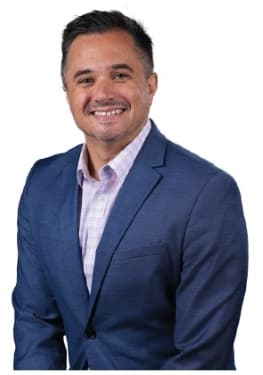
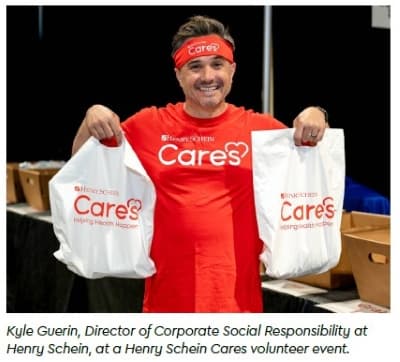
Since Henry and Esther Schein opened the doors of their small pharmacy in Queens, NY, in 1932, Henry Schein has held onto a simple idea: that doing good for the communities it serves also allows the company to do well. That philosophy took formal shape in 2001 with the launch of Henry Schein Cares, the company's global corporate citizenship program, which has spent the past 25 years working to expand access to care for underserved and vulnerable communities, support Team Schein members, advance environmental sustainability, and respond to public health crises around the world. Here, Kyle Guerin, Director of Corporate Social Responsibility at Henry Schein, looks back on what's changed in access to care over that quarter century—and ahead to what still needs to.
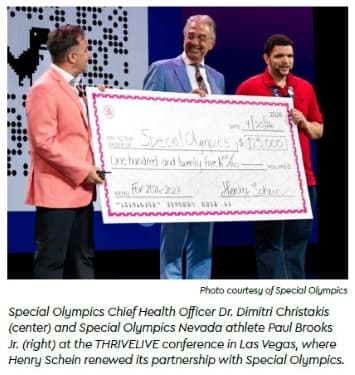
Why has access to care for people with disabilities been such an important focus for Henry Schein Cares?
People with developmental and intellectual disabilities have historically been overlooked by the healthcare system. That’s why this work has become such an important focus for Henry Schein Cares. For 25 years, Henry Schein Cares has worked to improve access to oral healthcare through programs supporting underserved communities, sustainable clinics, disaster relief, our longstanding partnership with the American Dental Association Foundation's Give Kids A Smile program, and many other initiatives.
One of the proudest moments of my career was before I came to Henry Schein when I helped open a dental office in Phoenix built specifically for patients with special healthcare needs. We were able to open the clinic thanks to the generosity and commitment of Henry Schein, which donated the equipment and supplies that made it possible. We saw patients who couldn’t find care anywhere else. Families drove as many as six hours just to get there, relieved simply to find a place where their loved one would be cared for with compassion and respect.
Several years later, I had an opportunity to join Henry Schein as a Team Schein Member.
A great way for clinicians to get involved is also to download and use the Institute for Exceptional Care's dental toolkit. This toolkit contains resources for dentists and their staff, including a guide for how to avoid misunderstandings in healthcare conversations, supporting patients with complex needs.
Looking ahead, what do you hope dentistry will be saying about access to care five or 10 years from now?
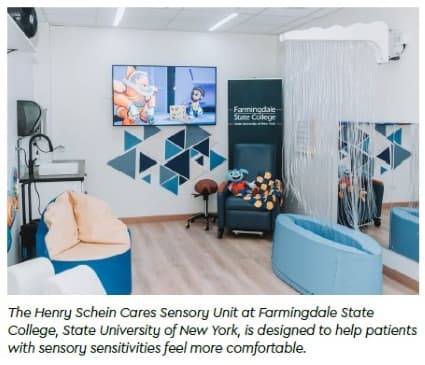
I’d like to see more integrated, sensory-friendly spaces for the disability community—the way you’re starting to see at stadiums and schools—brought into dental offices too.
I hope people understand the mouth is connected to the rest of the body, and that a simple dental visit becomes a chance to catch health concerns early. We are now closer than ever to broad adoption of systemic models of healthcare that include both oral health and medicine, and focus on prevention and wellness. I'm so excited for our continued role in helping drive forward this exciting vision!
