



From ClearQuartz trilayer material to the ClearPilot treatment planning tool, ClearCorrect clear aligners are a DPS reader favorite
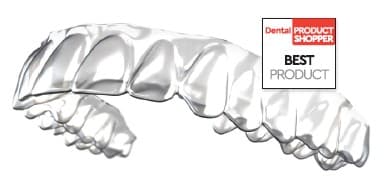
ClearQuartz: The Right Amount of Force
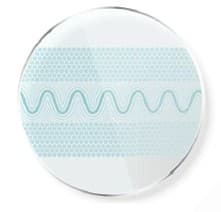
ClearCorrect's ClearQuartz trilayer material delivers greater orthodontic control, pairing 2 layers of resilient polymer with an elastomeric inner layer for gentle, consistent force.
"The trilayer material is a big advantage—it gives you really continuous, sustained forces," Dr. Shotell said. "When you pair that with the biomechanics of the aligners, how they're designed with a high and flat trimline, you get a lot of treatment efficiency."
As Dr. Shotell explains it, the elastic inner layer lets the 2 harder outer layers distort enough to fit onto the teeth, then pulls the teeth back into alignment. That's what activates the tooth movement.
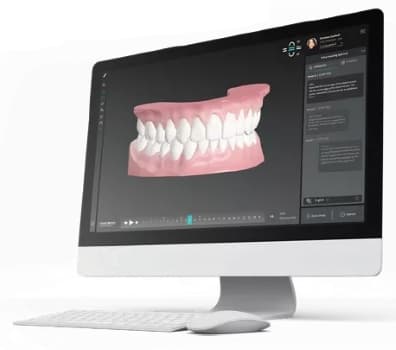
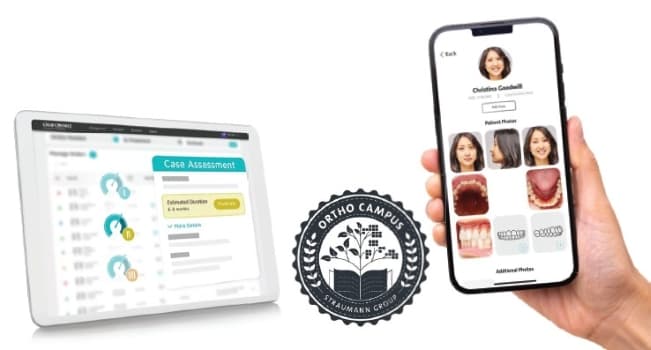
"It puts everything at the doctor's fingertips," Dr. Shotell said. "Even if you're not at the office, you can open the Sync App on your phone and see all your cases."
Setting Doctors Up for Success
Through the Ortho Campus, a comprehensive collection of orthodontic tools and curriculum for treatment success, doctors are never left to figure things out on their own. Webinars, live courses, and e-learning resources are all available in the Ortho Campus Classroom, featuring various learning paths tailored to specific roles within the practice.
"I would have to say that's one area where ClearCorrect over time has really, really expanded the amount of education that they offer, especially online, for doctors to get started," Dr. Shotell said. "And there's a lot of team training online now, too."
Doctors can also request phone calls with the ClearCorrect clinical team when they need assistance—for example, if they get a setup back and it isn't what they pictured.
"You can ask for a concierge phone call and jump on a meeting, and the technicians will make the changes with you right then and there," Dr. Shotell added.
Over the next 2 decades, ClearCorrect plans to keep helping clinicians integrate aligners into both their clinical workflows and growth strategies, all while making aligner therapy more accessible.
"I think we're going to be able to treat more and more complex and interdisciplinary cases," Dr. Shotell said, "and continue to leverage both digital technology and the technology of the aligner system itself."