



Keith Conard of Dentsply Sirona talks with DPS about new clinical data, the company’s implant portfolio, connected digital workflows, and the role of education in advancing implant care.
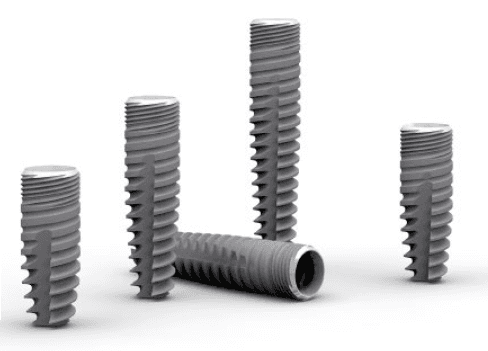
Dentsply Sirona’s implant portfolio is built on more than four decades of clinical research and experience. The company’s three cornerstone implant systems—PrimeTaper Implant System, OmniTaper Implant System, and Astra Tech Implant System—provide clinicians with different treatment approaches based on their clinical preferences, experience, and case requirements.
New clinical data further contribute to this evidence base. A prospective, multicenter, post-market study involving 136 patients evaluated PrimeTaper EV from implant placement through one year after permanent restoration. At one year, implant survival was 98.5%, with a 95.6% success rate. Mean implant stability quotient, or ISQ , increased from 71.8 at placement to 79.3 at permanent restoration. Mean marginal bone level change was -0.16 mm from implant placement to one year. No serious adverse device effects were reported.
The findings add to Dentsply Sirona’s broader body of implant research, which includes 64 company-initiated clinical studies since 1985 and more than 3,000 peer-reviewed publications involving products across its implant and prosthetic portfolio.
For Keith Conard, Vice President of Sales, Implants, at Dentsply Sirona, the significance of PrimeTaper Implant System extends beyond its status as a newer implant system. It builds on the company’s established implant heritage while introducing design characteristics intended to address a broader range of clinical needs.
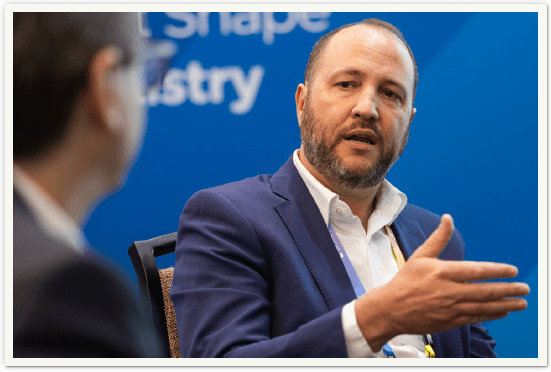
DPS sat down with Conard during the 2026 DS World in Las Vegas to get his perspective on the company’s approach to implant dentistry.
What does the new study tell clinicians about the predictability of PrimeTaper Implant System?
At the end of the day, clinicians want confidence that the implants they place will support long-term clinical success and provide the best possible outcomes for their patients. PrimeTaper EV builds on the history of the Astra Tech Implant System. Although certain design elements were modified to support greater primary stability and address additional indications, the study shows that clinicians can be confident in the clinical performance of the system.
How does Dentsply Sirona’s four decades of clinical research influence the development of its current implant systems?
There are a lot of implant companies out there, but not many with the longevity and depth of research that Dentsply Sirona has. New implant designs are continually introduced, but they do not always have the same established clinical heritage.
When you look at the development of technologies, what you really want to do is build on what’s worked really well over time and then bring that to market. More than 40 years of science guides how we develop the next technologies. PrimeTaper Implant System combines the proven biologic and prosthetic features of the Astra Tech Implant System, including the surface design, microthreads, and the conical connection. Clinicians can therefore recognize the foundation of the Astra Tech Implant System while gaining access to a design developed for evolving clinical needs.
How should clinicians think about the differences among PrimeTaper Implant System, OmniTaper Implant System, and Astra Tech Implant System?
It’s less about one system being better than another and more about what each system offers from a clinical perspective. Some clinicians favor higher primary stability, which may make PrimeTaper a good fit. Others are accustomed to a parallel-walled implant and prefer that approach, which is where Astra Tech Implant System can fit. OmniTaper offers a simple protocol and may appeal particularly to general dentists who perform implant procedures less frequently and value a straightforward approach.
The key is understanding where the clinician is today, what they value, and where they want to go with implant dentistry. A clinician may start with a simpler approach and eventually move into more immediate placement or other indications as their clinical experience and confidence grows.
Where do you see the greatest opportunity for connected digital workflows in implant dentistry?
The opportunity is not just in individual digital products, but in how those products work together. From scanning and cone beam imaging to implant planning, surgical guide creation, and the final restoration, the workflow should function as a connected system.
There is still a lot of fragmented technology in dentistry. Clinicians may purchase individual technologies but never fully integrate them because one piece doesn't work well with another or because they haven't received the training to connect everything. The question isn't simply how to use a piece of technology. It's how to put everything together to create the efficiencies you're looking for and ultimately treat patients the way you want to treat them.
How should clinicians approach the education available from Dentsply Sirona?
Education should start with understanding where the clinician is today and where they want to go. A general dentist may have different needs than a specialist, so we shouldn't simply tell every clinician to take the same course. Instead, we should ask: How does implant dentistry fit into your practice today? Where are you looking to go and what gaps do you have?
What’s nice about the DS Academy, road shows, and other programs we offer is that we can meet clinicians at different levels and help them progress. Education never ends; it’s always evolving and tiered. Our goal is to provide education that helps clinicians grow rather than a one-size-fits-all approach.
And technology and education go hand in hand. Technology enables growth, and education helps clinicians maximize its potential. We try to bridge those two so we’re not just selling a piece of equipment—we’re helping clinicians implement it within their practice.
Looking ahead, what do you see as the future of implant dentistry?
I think we’re going to see more cloud-based systems, greater use of AI, and more connected technology. We want to create a more harmonious ecosystem where all these technologies work together to help clinicians be more efficient and eliminate steps from the workflow. We’ll also continue to see advancements in the implants themselves. But ultimately, it’s about helping clinicians treat more patients and improve long-term outcomes.
One of the biggest opportunities is changing the broader mindset around implant treatment. Our biggest competitor is often the 3-unit bridge, not another implant company. If we can help clinicians understand the value of implant treatment and the long-term outcomes it can provide, that’s where we can make a difference.