


See & Do More with DEXIS CBCT

Author
By: Dental Product Shopper
3/26/2025

Overview

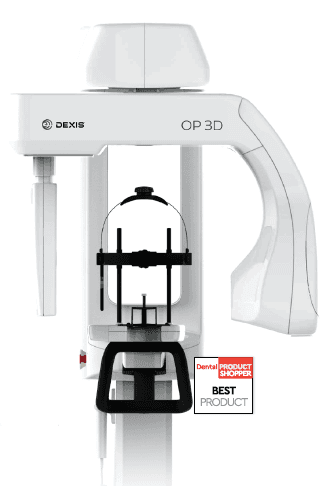
The DEXIS OP 3D transforms diagnosis, implant planning, and in-house endo by replacing 2D guesswork with precise 3D visualization. Dr. Jesse Hollander, DDS — a general dentist in Kihei, HI — calls it indispensable as loupes, crediting it with more predictable MB2 canal location, safer implant placement, and expanded in-house treatment capabilities.

More clarity, more confidence, more opportunity. High-quality 3D imaging can open the door to improved diagnoses and expanded treatment capabilities.
 

dex3dmarch00.PNG

Seeing is everything in dentistry, but for years, traditional 2D imaging has kept clinicians from getting the full picture. That’s something Jesse Hollander, DDS, a general dentist in Kihei, HI, realized early on.


“I always explain to my patients that when we’re looking at a 3-dimensional structure in 2 dimensions, we’re missing a lot,” Dr. Hollander said. Five years ago, he decided to change that by investing in the DEXIS ORTHOPANTOMOGRAPH OP 3D x-ray platform—a move that effectively transformed his approach to diagnosis and treatment planning.


From Clarity to Confidence


Dr. Hollander had heard colleagues rave about how CBCT had elevated their practices, and he hoped it would enhance his implant dentistry. What he didn’t expect was just how much value it would add to his daily workflow. “It’s amazing how much more you can see in 3D,” he said.


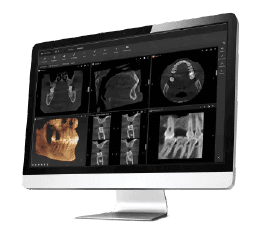
While the OP 3D has enabled him to place implants with greater precision and better esthetic outcomes, he’s found even more value in using it for diagnosis. With an intuitive graphical interface, easy patient positioning, and 4 selectable 3D resolutions enhanced by Metal Artifact Reduction (MAR) technology, the OP 3D has become his go-to tool when 2D x-rays fall short. “I use it more now for diagnosis than anything,” he shared.


Beyond refining implant placement and patient care, CBCT has also allowed Dr. Hollander to take on more endodontic cases in-house. “As I got more comfortable using the unit and reading scans, my endo procedures became much more predictable,” he said. “Finding the MB2 canal used to be a real shot in the dark, but now I know exactly where to look, so I feel more confident in my approach.”


The OP 3D has also strengthened his ability to collaborate with colleagues—including his wife, a pediatric dentist who refers patients to him before surgery. “Taking a CT scan can make her team’s work easier and improve postop outcomes for patients,” he explained. “It's been a fun, rewarding way to help other dentists provide the best care possible.”

dex3dmarch01.PNG

Technology That Grows with Your Practice


One of the biggest advantages of the OP 3D is its ability to evolve with a practice. The unit can be upgraded anytime to support specialized treatments like orthodontics, airway analysis, and TMJ therapy. “You can start with what you need and know that the features that will enable you to expand your services are just an update away,” Dr. Hollander said.


DEXIS further streamlines integration with AI-powered DTX Studio Clinic software, which connects seamlessly with existing practice technologies. And for new OP 3D users, DEXIS offers 30 complimentary radiology reports in the first 90 days through its partnership with BeamReaders—a service Dr. Hollander still relies on to refine his diagnoses.


A Foundation for the Future


With CBCT technology advancing rapidly, Dr. Hollander believes now is the time for dentists to make the leap. “The systems are becoming more efficient and predictable while delivering lower radiation exposure,” he explained. “Like any innovation, there’s a learning curve, but working with 3D imaging provides an ideal foundation for incorporating other digital technologies, such as CAD software.”


As for the OP 3D itself, Dr. Hollander considers it indispensable. “If we didn’t have the OP 3D, it would be like practicing without loupes—we simply couldn’t see what we need to see,” he said. “It’s a great unit that keeps delivering more and more value in terms of building clinical confidence and consistency in our practice.”

Key Takeaways

  • Metal Artifact Reduction technology, 4 selectable 3D resolutions, and an intuitive graphical interface make the OP 3D a practical daily diagnostic tool — not just an implant planning unit
  • The platform upgrades to support orthodontics, airway analysis, and TMJ therapy as practice needs grow, with AI-powered DTX Studio Clinic integration and 30 complimentary radiology reports in the first 90 days
  • CBCT's biggest daily return is diagnostic confidence — Dr. Hollander reports finding MB2 canals predictably, placing implants with better esthetic outcomes, and strengthening referral relationships with colleagues

Shop Now