


Safe sedation dentistry transforms the way clinicians care for anxious and medically complex patients
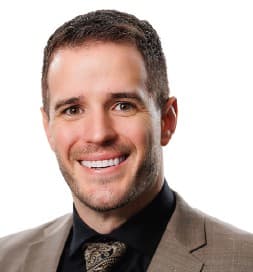
Dr. Tate received his bachelor's degree in exercise physiology from the University of Utah. He attended dental school at the University of Utah School of Dentistry and graduated at the top of his class. Dr. Tate takes pride in providing his patients with the best care possible and values the relationships he builds with them. He is the co-owner of Coleman Tate Dental, as well as an instructor for DOCS Education at their clinical site in Salt Lake City, UT. He has been instrumental in the success of DOCS Education’s IV sedation dentistry program.
Find out why Taylor Tate, DDS, Clinical Instructor for DOCS Education, believes sedation safety:
• Begins long before the patient sits down and medications are drawn up.
• Is not achieved through a single course or checklist—it's built over time through consistency, training, and a shared commitment to doing things the right way every time.
After years in private practice and teaching dentists about IV sedation through DOCS Education, one thing has become clear: Always be prepared. While sedation can be very forgiving in a healthy patient, in a compromised patient, small oversights can have big consequences. Having the right systems in place is key. Here are a few areas that deserve constant attention:
Medical History: Every prescribed medication, over-the-counter drug, supplement, or nutraceutical matters. Polypharmacy is increasingly common, and drug–to-drug interactions are not always intuitive. If a patient is taking 4 or more medications for 1 condition, it can indicate difficulty controlling the underlying disease, prompting a deeper review or consultation with the patient’s physician. Blood pressure screening also is non-negotiable. It is one of the simplest steps we take, yet one of the most powerful predictors of perioperative risk.
Continuous Monitoring: A sedated patient should never be left unattended. Continuous monitoring and documentation of oxygenation, ventilation, circulation, and level of consciousness is critical. A team member should take on the role of a trained monitor to actively watch trends, interpret data, and communicate changes in real time.
Airway Awareness: Dental sedation presents a unique airway challenge because we’re working in the oral cavity while protective reflexes are blunted, which means obstruction can develop quickly and quietly. Ensure proper positioning, the use of physical barriers like rubber dams or gauze, and a disciplined habit of looking and listening for respirations. Abnormal sounds, such as snoring, gurgling, wheezing, or crowing are early warning signs.
Rare Events & Safe Dismissal: Reversal agents should be current and available, even if certain drug classes are not routinely used in the office. Patients self-medicate, sometimes without telling us. After the procedure is finished, a patient who has been sedated may feel oriented but is still at risk for falls or injury. Escort patients and use companion chairs when appropriate. Maintain supervision until they are safely transferred to a responsible adult.
Documentation: Finally, accurate and complete documentation is not just a regulatory requirement; it's a patient safety tool. Presedation evaluations, medication records, monitoring logs, emergency readiness, and dismissal notes must be thorough and accessible. Good records reflect good systems.