


 Choosing the right adhesive system is essential for delivering durable and satisfying restorative work. Traditional adhesive systems, with their tried-and-true protocols, have long been a staple in dentistry, known for their reliability and well-defined applications. However, universal bonding agents have introduced new possibilities, offering versatility, simplified protocols, and potentially similar long-term effectiveness. Let's compare the longevity, reliability, and overall patient satisfaction between universal bonding agents and traditional adhesives to help you determine which system may be best suited for your practice.
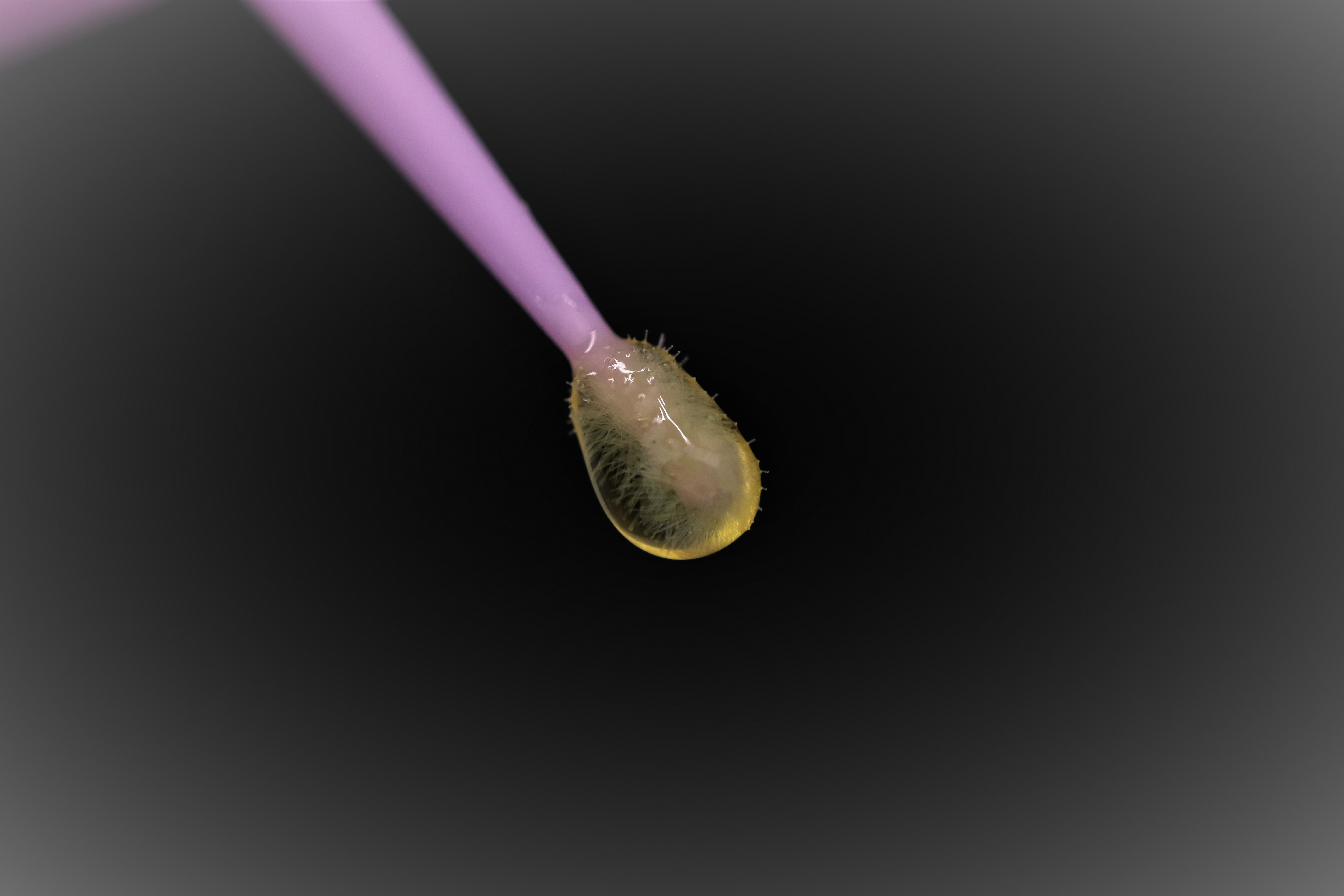
Universal bonding agents were developed to simplify bonding protocols by offering a single product that can be used in total-etch, self-etch, or selective-etch modes. This allows dentists to choose the most appropriate bonding method based on the clinical scenario, potentially achieving similar bond strength with reduced time and fewer materials.
Longevity Comparison
- Enamel and Dentin Bond Durability: Universal bonding agents provide comparable bond strength to both enamel and dentin, showing similar durability in maintaining secure restorations over time. In particular, they perform well when selectively etched on enamel, offering stability and protection similar to total-etch systems.
- Resistance to Degradation: Adhesive degradation, especially hydrolytic degradation, can impact the longevity of dental bonds. Universal bonding agents offer improved resistance to water sorption and hydrolysis, which helps maintain the integrity of the bond. This durability can make them as effective as traditional adhesives, especially in reducing the risk of bond breakdown over time.
Reliability and Technique Sensitivity
- Simplified Protocols with Universal Bonding: Universal bonding agents streamline the adhesive process by reducing steps and simplifying the application. Selective etching of enamel while directly applying the agent to dentin helps reduce technique sensitivity while maintaining bond strength. For busy practices, this streamlined protocol can improve consistency and minimize the risk of errors, leading to more predictable results.
- Lower Sensitivity Rates: Traditional total-etch systems, while effective, can increase post-operative sensitivity, especially on dentin. Universal bonding agents, particularly when used in self-etch mode on dentin, tend to cause less sensitivity, enhancing patient comfort and satisfaction.
Patient Satisfaction and Clinical Outcomes
- Aesthetic Stability: Universal bonding agents provide strong adhesion to various restorative materials, including composite, ceramics, and metals, making them ideal for esthetic restorations. By preserving color stability and maintaining adhesive strength, these agents help ensure that restorations remain natural-looking over time.
- Enhanced Comfort for Patients: With reduced rates of sensitivity, patients are often more comfortable after restorations with universal bonding agents. For many patients, this translates to a more positive experience, leading to higher satisfaction with their dental care.
Practical Benefits for Dental Practices
- Inventory Reduction: Universal bonding agents can replace multiple adhesive systems, reducing inventory needs and associated costs. This can streamline ordering and storage, offering a more efficient approach to managing adhesive supplies.
- Time Efficiency: The simplified, flexible application of universal bonding agents saves time and reduces chairside steps. This flexibility allows dentists to switch between etching techniques as needed, helping to create a more efficient and consistent workflow.
Which Option is Right for Your Practice?
Both universal and traditional adhesive systems offer valuable benefits, with universal bonding agents providing excellent bond strength, reduced post-operative sensitivity, and improved workflow efficiency. For those seeking a more adaptable, time-efficient solution that maintains high quality, universal bonding agents may be the better choice, delivering durable, patient-pleasing results with enhanced ease and flexibility.