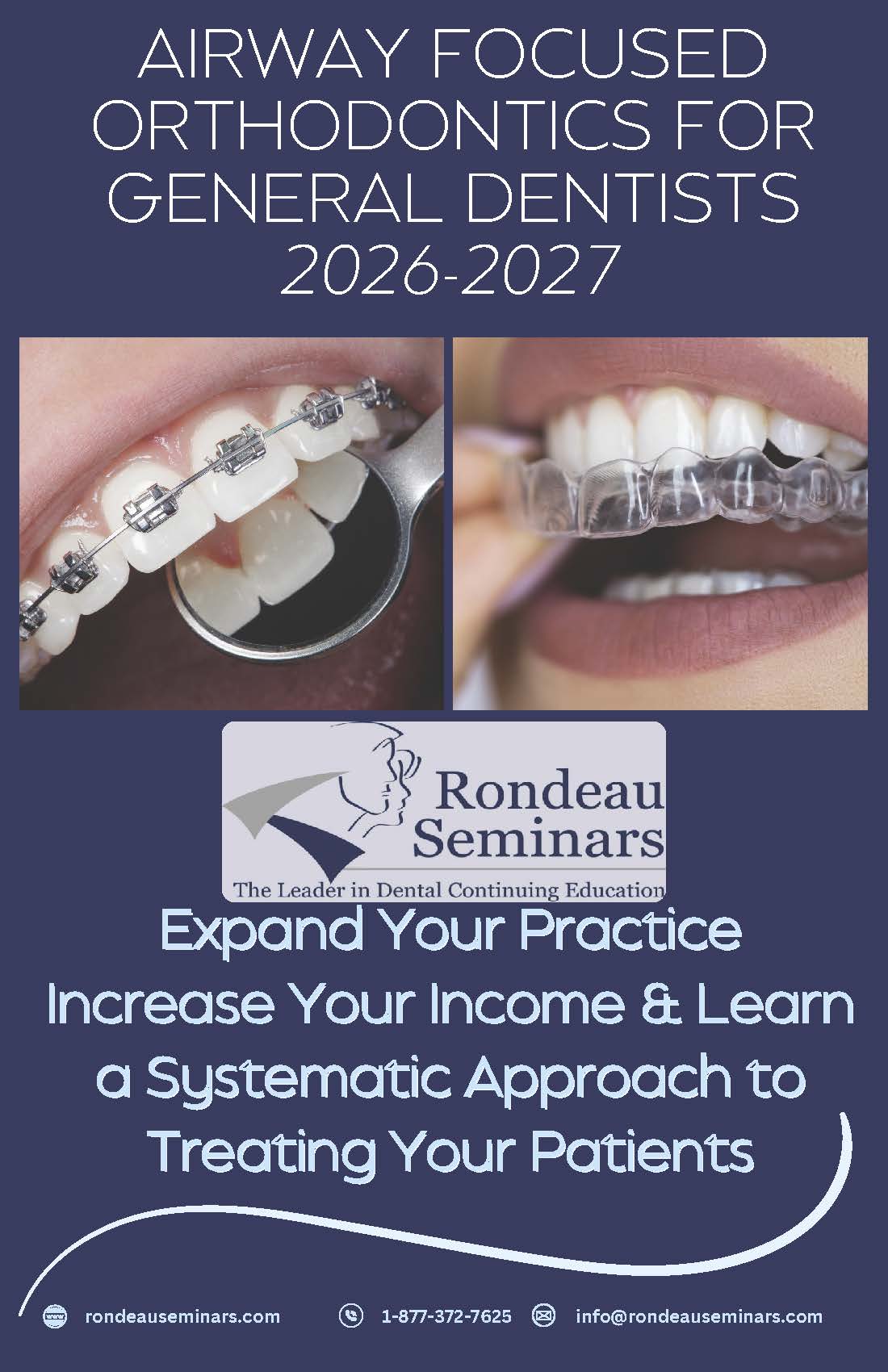



How we treat malocclusion in children during the mixed dentition phase (when both baby and adult teeth are present) affects more than just their bite. It can shape their self-esteem and long-term health. Estimates suggest that up to 70% of children have some form of malocclusion, making early intervention critical.
There are two main treatment paths: extract bicuspids to create space or develop the dental arches using functional appliances. Most parents and children prefer the second option—no extractions, broader arches, and a natural, full smile.
Crooked teeth can make children self-conscious. They may avoid smiling, which not only affects their confidence but also how others perceive them. A child who doesn’t smile may be seen as unfriendly, which can have lasting social consequences.
Take, for example, a child with prominent “buck teeth.” These children are often teased and may become withdrawn. A common treatment involves using a jaw-repositioning appliance, such as a Twin Block, to guide the lower jaw forward and correct the imbalance.
Early, thoughtful orthodontic care isn’t just cosmetic—it’s a crucial investment in a child’s emotional and physical well-being.