



Dr. Maria Van Huffel shares how digital scanning, guided implant workflows, and an integrated technology ecosystem have changed the way she delivers care—and how she decides which technologies belong in her practice.
What would you tell dentists who are beginning to incorporate implants into their practices?
No. 1 is precision. When you don't have a tremendous amount of experience, you want to know that you're using a system that's giving you the best belt and suspenders—covering all of those things so there's as little variability as possible. When you're taking a CBCT and an intraoral 3D scan and stitching them together, you have all of the information. You know where your crown is going to be, and it's a restoratively driven process. You know where your anatomical landmarks and caution areas are. There's just so much information that you can make a really good decision about where you want to place that implant.
If you don’t have a 3D printer, you can send the case to a lab to print the surgical guide. But eventually, you definitely want to have that printer and be able to make your own guides.
How do you decide whether a new technology is worth adding to the practice?
I do love a gadget, but these are very big investments. I really try to make the decision based on my needs at the time. How is this going to make my patients’ experience better? How is it going to make my stress less? Is it going to increase the number of things I'm able to do in-house?
With the printer, for example, I can make occlusal guards pretty much the same day if we need to. I can reprint a provisional or an immediate denture. That gives me control over the timing.
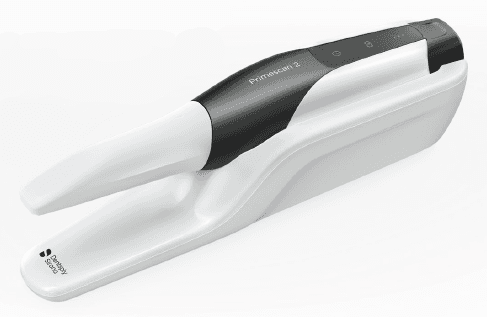
The Primescan 2 came out last year, but I only bought one today. The reason is that I just didn't need it until now. My son is now in the practice with me, and there are times when we all want the scanner, so it now made sense from a business standpoint.
Looking ahead, where do you see the next opportunities for technology in implant dentistry?
I don't think we'll ever be at the end of the road. I'm regularly amazed and surprised at the things dentistry comes up with that make it a better experience for the patient, a better experience for the doctor, and solve problems we never even knew we had.
I don't know if the next advances will be in surface technology, more shapes and sizes, or materials that help with integration and treatment after surgery. Maintenance of implants is still going to be something that's changing and improving, particularly as patients keep their implants longer and live longer.
I also think we'll see improvements in implant abutment technology and restorative materials so we're able to give patients healthy, functioning, esthetic, comfortable restorations that last longer and stay healthier into the future. And then, when there are problems, we'll have better technology to treat those, too.
