



At her Las Vegas practice, Dee for Dentist, Dr. Dee Dee Meevasin uses digital innovation to make dentistry more personal, efficient, and empowering
What was your vision for the kind of practice you wanted to create?
I wanted the patient experience to play a really large role in my practice. Normally, people come into a dental office and they're scared—it's white everywhere and just very clinical. I wanted it to feel more comfortable and inviting, and I wanted to do it with technology but still have that human touch and that compassion for the patient when they come in.
So, in 2011, my husband Mike and I came up with a vision for our practice and it's evolved a little bit, but it's always been a place where we’re able to improve patients' lives. We envision a world where people live longer and smile more, and we exist to make that a reality. We center everything we do around that vision.
After 2 years, you brought CEREC into the practice. How did that impact your patient care?
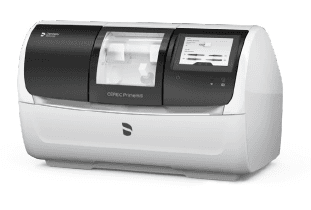
Same-day dentistry made it more convenient for the patient. You’re getting a high-quality restoration that is beautiful, durable, and done in one day. A lot of our patients are younger professionals who are busy. They don’t want to take time off from work to come back for a second visit. So, this really does enhance their experience. It really changed the way we practice dentistry in our office.
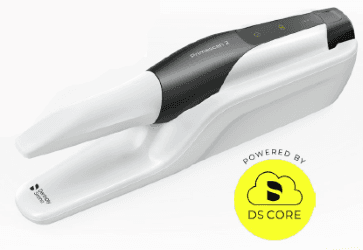
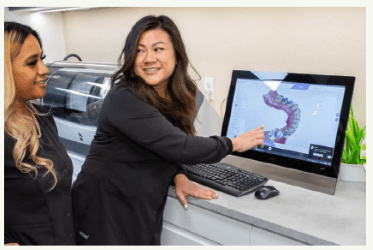
DS Core has made us more efficient. For one, it allows me to work remotely. My team can design a surgical guide and I can approve it from wherever I am. Whether I’m home or on vacation spending time with my children, if I'm able to help the office move cases along through DS Core, that really makes a difference. DS Core is also great for showing patients their x-rays, scans, and photos so they can see what I see and understand what’s going on in their mouths and why they need the treatment. So, case acceptance has improved. And it just keeps getting better and better—DS Core is now connected with CEREC, and we can receive AI-powered margin and design proposals for crowns, inlays, and onlays directly within the platform. It just makes our lives easier.
Do you see AI playing a transformative role in dentistry?
In the practice, we use AI for so many things, and there are still many other AI applications that we haven't implemented in the office yet. From a clinical perspective, we use AI for margin finding and crown design. I use Pearl with my radiographs to help show the patient caries, calculus, open margins, periodical lesions, etc. Patients don't know how to read an x-ray, but if it's labeled for them and colorized, it makes it easier for them to understand what I'm talking about. We also use AI for treatment planning and showing patients the treatment in DS Core’s Communication Canvas.
We are using AI for insurance verification and for payment posting from insurance providers. That really helps take away a lot of busy work from my admin team so they can focus on the patient experience and building relationships with our patients. It's been transformative, but you still have to make sure it’s correct and utilize it responsibly.