

Septodont’s 1-step sodium bicarbonate solution makes buffering anesthetic more efficient—no measuring or mixing required

Dr. Chen graduated from the University of Pennsylvania School of Dentistry with a Doctor of Dental Medicine degree. After graduation, he went on to the Dallas Veterans Affairs Hospital for General Practice Residency. He is a member of the American Dental Association and Academy of General Dentistry. Dr. Chen has always upheld a vision of how he wants to help people maintain a healthy and happy smile. This is the driving force behind opening an office like Little Big Smiles. He wants to provide a place where everyone can receive quality and comfortable care.
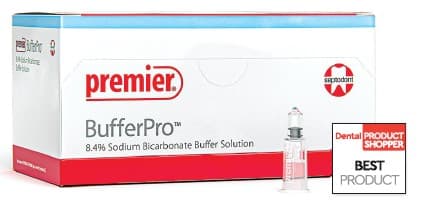
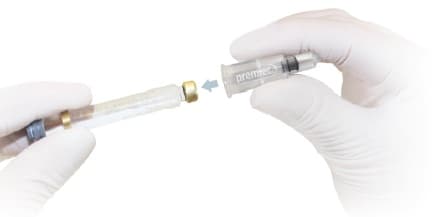
Before he was introduced to Septodont’s BufferPro, Dr. Andrew Chen manually injected sodium bicarbonate into lidocaine carpules to buffer anesthetic. With BufferPro—an 8.4% sodium bicarbonate solution that dispenses 0.1 mL of sodium bicarbonate into a dental anesthetic cartridge—the process is much easier, Dr. Chen said, and it's a more comfortable experience for the adult and pediatric patients he treats at his practice, Little Big Smiles in Frisco, TX. Here, he gives DPS the details.
One of my patients had a hard time becoming fully anesthetized for a tooth No. 29 crown prep. I had to use multiple carpules of lidocaine and a carpule of articaine to numb her. When she came back for her crown delivery, I buffered using 1 carpule of lidocaine, and she was fully anesthetized.
At the end of the appointment, she told me she was dreading the visit because of what she experienced when her previous dentist placed the old crown. She was numbed multiple times, but was still sensitive and uncomfortable throughout the procedure. By contrast, the delivery appointment with me was pleasant for her, and she was very comfortable during the procedure.
Focus on What Matters Most
With BufferPro, I can focus on treatment instead of worrying about the patient's comfort. Buffering also saves me time because I don’t have to re-inject or wait for the anesthesia to work. I feel more confident in our local anesthesia, and at the same time, my patients have a better experience.